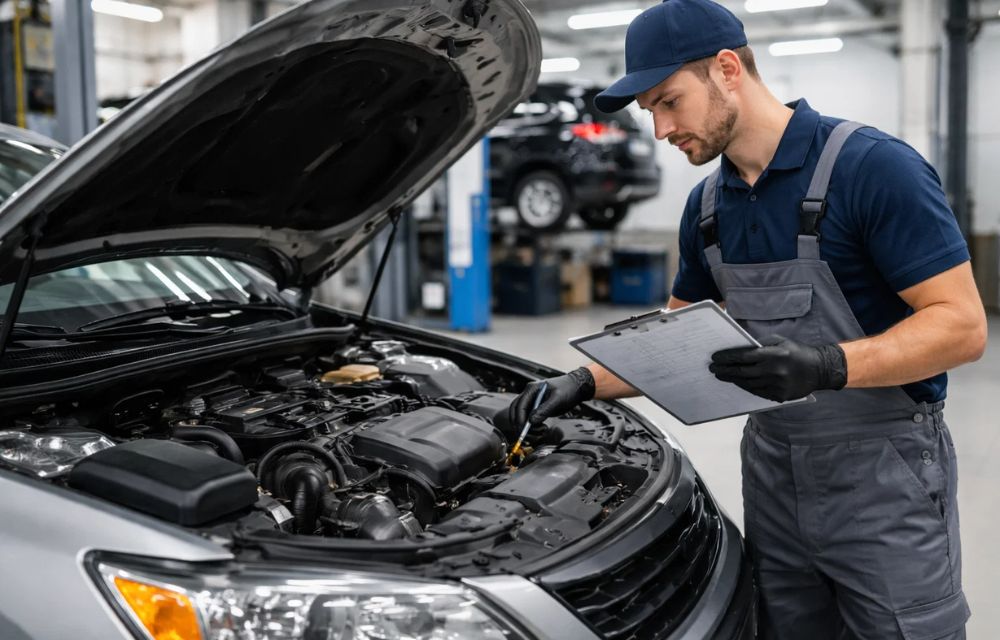
Buying a car—whether used or new—is a big decision that can impact your finances and safety for years. That’s why getting a professional inspection for vehicle before finalizing the deal is so important. But simply requesting an inspection isn’t enough. Once you receive the report, you need to know how to read it and what key details to focus on.
A thorough vehicle inspection report offers much more than a checklist of what looks good and what doesn’t. It provides critical insights into the mechanical health, safety, and overall value of the vehicle. Whether you’re purchasing a car from a dealer or a private seller, understanding what a good report should include can save you from costly mistakes later.Let’s break down exactly what you should look for in a comprehensive vehicle inspection report and why each part matters.
1. Vehicle Identification and Documentation
Every inspection report should start with clear identification of the vehicle:
- Make, Model, and Year: Ensure these match the seller’s information.
- VIN (Vehicle Identification Number): Cross-check this with registration documents and the vehicle itself.
- Odometer Reading: Check for consistency with the seller’s claimed mileage and service records.
If any of these details don’t line up, consider it a red flag that requires clarification before you proceed.
2. Exterior Condition
A professional inspection for vehicle always includes a detailed examination of the exterior:
- Body Panels: Look for dents, scratches, and signs of repair or repainting.
- Glass: Chips and cracks can lead to expensive replacements.
- Lights and Indicators: Verify all lights are functional and free from moisture or damage.
- Tires: The report should specify tread depth and note uneven wear, which may signal alignment or suspension problems.
Photos in the report are especially useful to help you visualize issues without needing to be present.
3. Interior Features and Safety Equipment
Next, the inspection covers everything inside the car:
- Seats and Upholstery: Tears, stains, and excessive wear can affect resale value.
- Dashboard: Ensure all warning lights function properly when the ignition is turned on.
- Airbags and Seatbelts: Safety equipment should be checked for deployment history and operability.
- Climate Control: Verify air conditioning and heating work as intended.
Any issues here can impact comfort and safety, so don’t gloss over them.
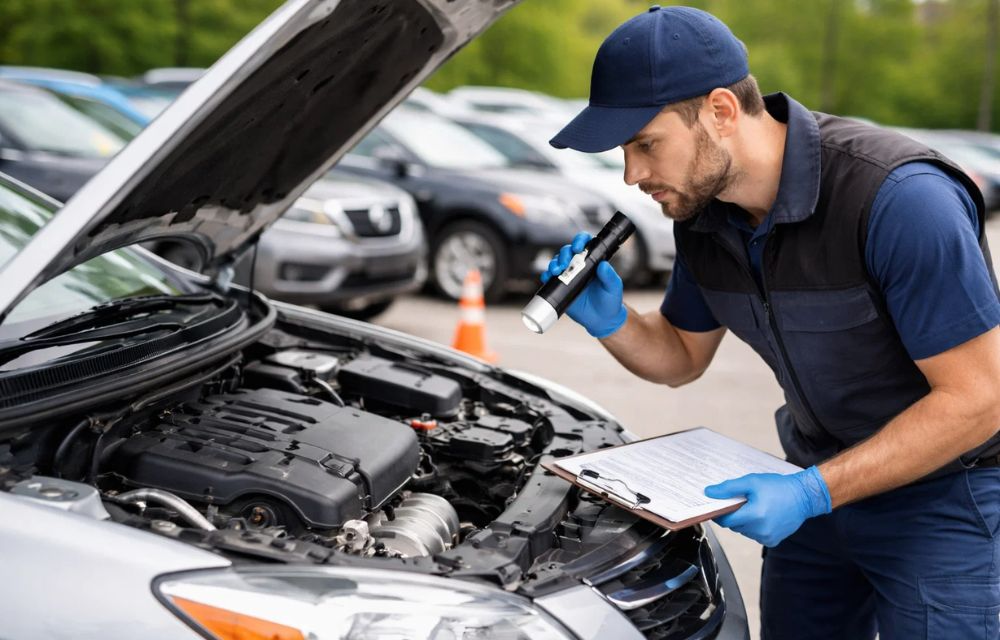
4. Under the Hood
One of the most critical sections in any vehicle inspection is the engine bay review:
- Engine Oil and Fluids: Inspectors will note fluid levels, leaks, and contamination.
- Battery: Age and charge level are reported to avoid sudden failures.
- Belts and Hoses: Cracks or fraying can lead to breakdowns if not addressed.
- Cooling System: Proper function prevents overheating and costly engine damage.
Pay attention to any mention of oil leaks or coolant issues, as these repairs can be significant.
5. Undercarriage and Structural Integrity
Many buyers overlook what’s happening underneath the vehicle:
- Rust and Corrosion: Especially in older cars, rust can compromise structural safety.
- Suspension Components: Worn shocks or bushings affect handling and comfort.
- Exhaust System: Leaks or corrosion may require replacement.
- Frame Damage: Evidence of prior accidents or repairs should always be taken seriously.
This part of the report can tell you if the vehicle has been involved in a collision or poorly maintained over time.
6. Road Test Findings
A static inspection is never enough—test drive results are just as important:
- Engine Performance: Smooth acceleration without hesitation or unusual noise.
- Transmission: Shifts should be smooth and responsive.
- Brakes: No vibrations, pulling, or noises.
- Steering and Handling: The vehicle should drive straight with no excessive play in the wheel.
These findings are crucial because they reflect how the car behaves under real conditions.
7. Diagnostic Scan Results
Modern cars are filled with electronic systems, making a diagnostic scan a vital part of any vehicle inspection:
- Fault Codes: Even if no warning lights are on, hidden fault codes may exist.
- Emissions Readings: Ensure the car complies with environmental regulations.
- Module Communication: All control units should be online and functioning.
Don’t ignore these results—electronic issues can be complicated and expensive to fix.
8. Estimated Repair Costs and Recommendations
A high-quality inspection report should include an estimated cost for repairing any issues found. This helps you:
- Negotiate a better price with the seller
- Plan future maintenance budgets
- Decide if the vehicle is worth buying at all
If the report doesn’t provide repair estimates, ask the inspector for guidance.
Suggested Read – Why Should You Opt for a Mobile Car Inspection Before Buying a Used Vehicle?
9. Overall Assessment and Grading
Finally, look for a summary or grading section. This will typically categorize the car’s condition as:
- Excellent
- Good
- Fair
- Poor
While this is subjective, it offers a clear snapshot of the vehicle’s health.

Conclusion: Trust Only the Best for Clear, Accurate Inspections
When you invest in a professional inspection for vehicle, you deserve a report that is thorough, transparent, and easy to understand. Knowing what to look for helps you avoid surprises and make a confident decision.
If you want total peace of mind, turn to CheckAnyCar, a trusted name in Dubai for reliable vehicle inspections. Their certified inspectors deliver detailed, unbiased reports that cover every aspect of the vehicle—so you always know exactly what you’re getting before you buy.