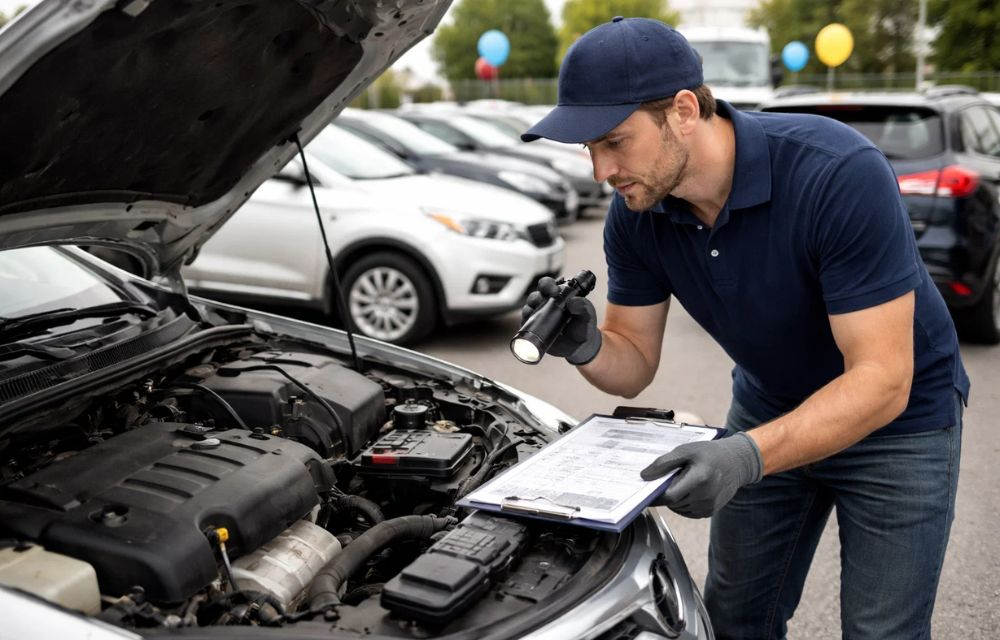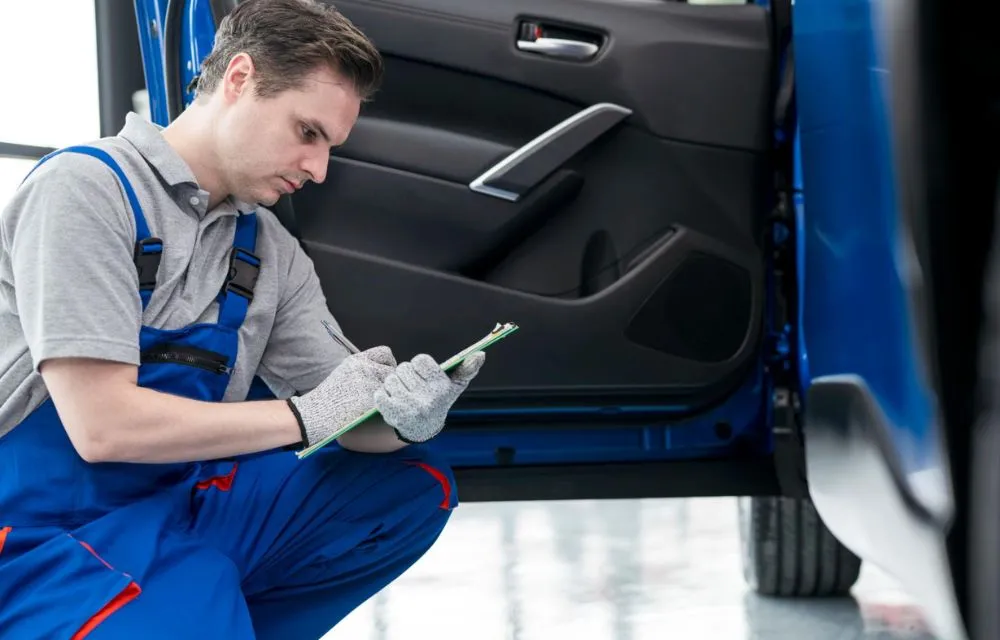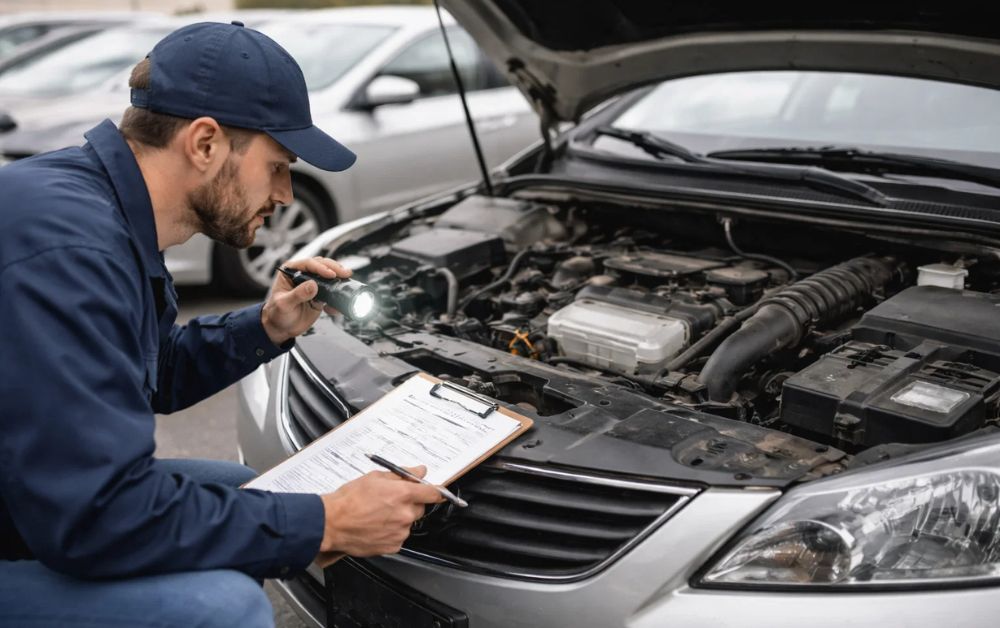
Buying or maintaining a car is usually an exciting experience, but when that car fails a major inspection, it can be stressful. We’ve all been there, whether it’s a used car that doesn’t meet the standards or your current vehicle being flagged for serious issues. But don’t panic just yet! Failing an inspection doesn’t necessarily mean the end of the road. It’s just important to understand what went wrong & how you can move forward. Let’s break down what happens when a car fails a major inspection and the steps you should take next.
What Are Major Inspection Points?
A vehicle inspection covers a lot of ground, but there are key areas that really matter for the car’s safety, performance, & legal compliance. These are the major inspection points that inspectors really pay attention to, and when they fail, it could mean bigger issues ahead. Some of the major areas include:
- Engine and transmission: Leaking fluids, worn-out parts, or performance issues can all signal problems here.
- Brakes: Worn brake pads, faulty calipers, or leaks in the brake fluid system are main safety concerns.
- Suspension & steering: Misalignment, damaged shock absorbers, or loose steering components can make the car unsafe to drive.
- Electrical and safety features: Non-functional airbags, faulty lights, or issues with electrical systems can be a red flag.
- Frame or structural damage: Things like rust or accident damage that impact the car’s integrity are big issues.
When one of these areas fails, it’s a clear sign that the car might not be safe to drive, or it could be costly to repair.
Why Cars Fail Inspections
Understanding why a car fails is key to deciding what to do next. Some common reasons cars do not pass the inspection include:
- Neglecting regular maintenance: If the car hasn’t had regular oil changes, brake checks, or other routine maintenance, it’s more likely to fail major inspection points.
- Hidden accident damage: Sometimes, damage from past accidents isn’t visible to the naked eye but will show up during the inspection.
- Wear and tear: Older cars or cars with a lot of miles may have parts that are worn out or nearing the end of their life, like brakes, suspension, or engine components.
- Poor repairs or modifications: If previous repairs were done poorly or non-compliant modifications were made, it could lead to inspection failure.
- Environmental damage: Rust, corrosion, and other weather-related damages from harsh road conditions or climate can also cause inspection issues.
Once you understand why your car failed, you’ll be in a better position to decide on the next steps.
What to Do After a Failed Inspection
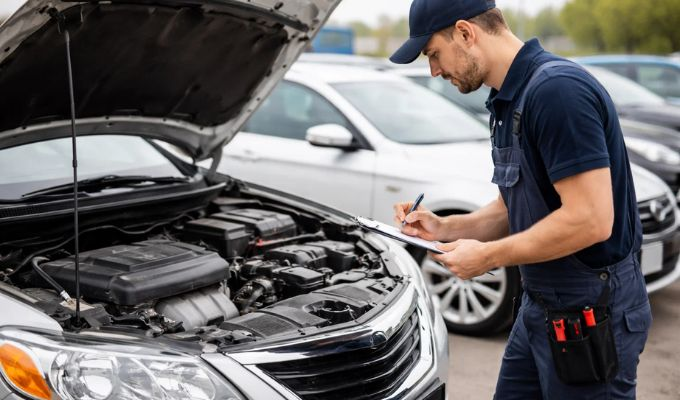
First off, do not panic. A failed inspection does not mean your car is beyond saving. Here is how to handle it:
1. Review the Inspection Report
Get a clear knowing of the report. The inspector will list the specific issues, from minor to major. Pay attention to the areas that impact safety & legality. If anything’s unclear, do not hesitate to ask your mechanic or inspector for more details.
2. Evaluate Safety Risks
Is the car safe to drive as is? Some issues, such as problems with the brakes, suspension, or structural integrity, are big red flags. If those are the issues, you should definitely avoid driving the car until it’s repaired.
3. Consult with a Professional
Once you’ve got the report, it is a good idea to talk to a trusted mechanic. They can give you a second opinion, explain what needs to be fixed, and provide an estimate of repair costs. They might even tell you if it’s worth fixing at all.
Your Next Steps: What to Do About It
Once you have a full picture of the issues, there are a few directions you can go depending on the car’s condition and your budget.
Repair and Re-inspect
If the repairs aren’t too costly, fixing the issues and scheduling a re-inspection is usually the way to go. Here’s what you need to do:
- Have certified mechanics handle the repairs and use quality parts.
- Keep all receipts and documentation for future reference.
- Schedule the re-inspection as soon as possible to avoid further complications.
Consider Selling or Trading It In
Sometimes, the repairs can be too expensive compared to the car’s market value. If that is the case, you might want to:
- Sell the car as-is, making sure to disclose the issues to the buyer.
- Trade the car in for a newer or more reliable vehicle.
- This can save you money on repairs & prevent future stress from ongoing issues.
Total Loss or Salvage Options
If the car has significant structural damage or major mechanical failures, repairing it can not be worth the cost. In this case, you could explore:
- Insurance or salvage programs that buy cars that are no longer economically viable to repair.
- Selling the car to a salvage yard or junkyard might be a better option.
Suggested Read – Why Are Mobile Car Inspections Becoming Essential for Used EV and Hybrid Buyers?
Negotiating with Buyers
If you’re planning to sell the car after it is failed the inspection, transparency is crucial. Use the inspection report to show the buyer what’s wrong with the car. This will aid you negotiate a fair price based on the car’s actual condition. Being upfront builds trust with the buyer and can aid you avoid legal issues later on.
In Conclusion
Just because a car fails a major inspection does not mean it’s the end of the road. With the right approach, you can assess the issues, get professional advice, & make an informed decision. If you’re looking for a trusted inspection service, CheckAnyCar offers thorough, professional inspections in Dubai to ensure you have all the information you need to make the best decision.
Author Bio

CheckAnyCar offers expert used car inspections in Dubai, helping you make informed buying decisions with detailed reports. For inquiries or to schedule an inspection, visit our About Us and Contact Us pages.