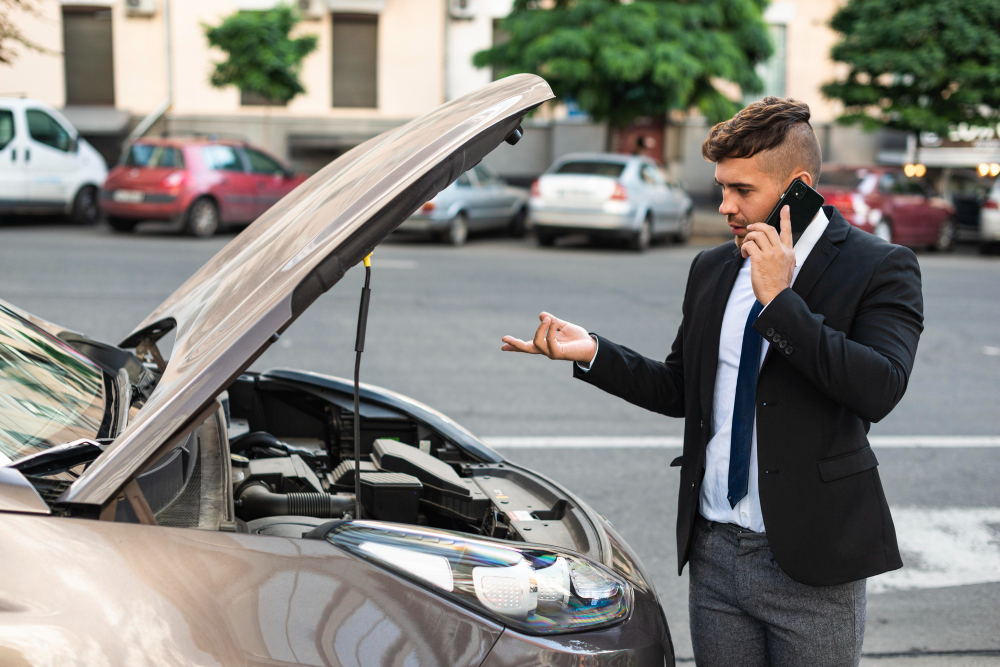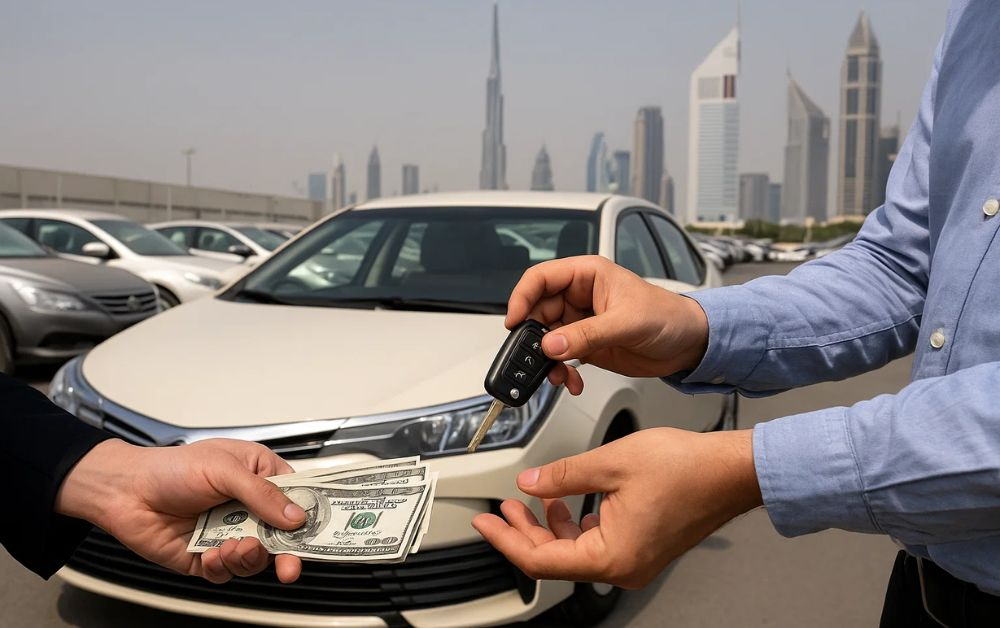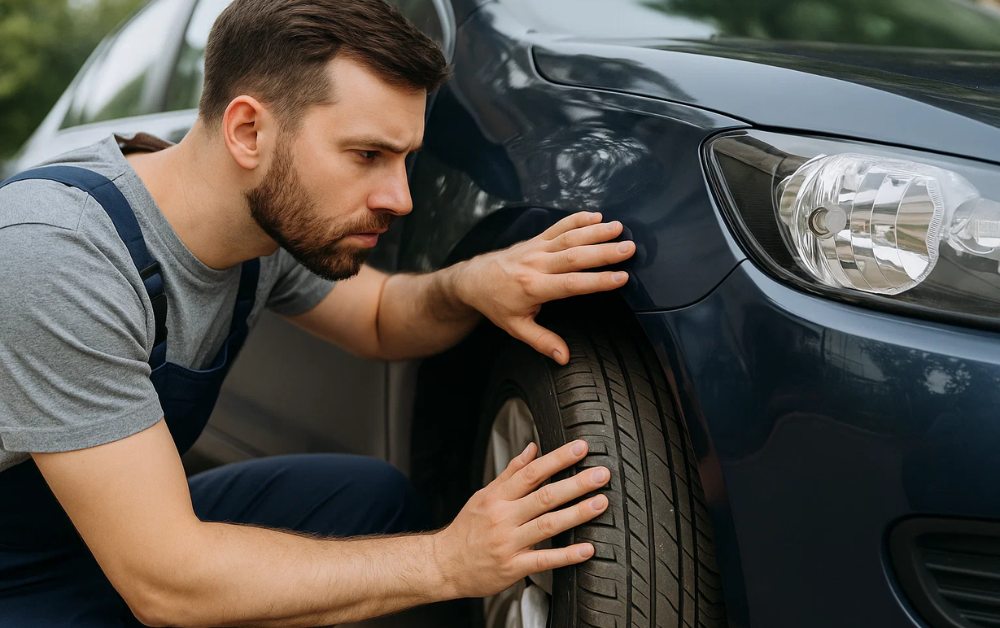
Buying a used car can be a wise financial decision, especially with the rising prices of brand-new vehicles. However, with the growing popularity of the secondhand automobile market, there is a shocking surge in scams related to it. Are used car scams on the rise? Before you buy, what you need to know can save you thousands of dirhams and prevent you from getting into serious legal trouble. From falsified papers to odometer rollback, the threat is all too real — and especially relevant in places like Dubai, where a booming used car market has attracted legitimate vendors and scammers.
In this blog, we will break down the most common used car scams, know what to watch for, and give tips on protecting yourself before purchasing. We will also look at used car scams in Dubai, how they evolve, and tips on not being the next victim.
Why Used Car Scams Are on The Rise
The increase in demand for secondhand cars has led to an enormous expansion of the secondhand car market. With minimal regulation and maximum entry from websites, fraudsters never had it so good to target gullible buyers. The anonymity of internet advertisements and hurried buyers who want to seal the deal as soon as possible provides the perfect breeding ground for fraud.
The risk is greater in places such as Dubai, with transient populations and expats dominating the buying side who are unfamiliar with the local processes. Sadly, Dubai used car scams have become ever more advanced, with scammers resorting to phony IDs, cloned vehicle documents, and even temporary showrooms to attract unsuspecting buyers.
Common Types of Used Car Scams
Understanding the scams used by the fraudsters is the way to protect yourself. Some of the most prevalent scams are as follows:
1. Odometer Rollback
Odometer tampering to show lower mileage is one of the most widespread deceptions. This artificially gives the impression that the car is in better shape than it is.
2. Title Washing
In this scam, a vehicle that has been wrecked or severely impaired is retitled in another state to hide its history. The buyer ends up purchasing a car with hidden structural or mechanical problems.
3. Fake Listings
Others place ads for vehicles belonging to them but sell them at submarket prices. Upon being contacted, they request a deposit to “hold the car” and disappear once paid.
4. Stolen Vehicles
Cars stolen might be sold by fraudsters with fake documents. Upon purchase, the vehicle can be recovered by the legitimate owner or law enforcement, robbing the buyer of their funds.
5. VIN Cloning
This involves swiping the Vehicle Identification Number (VIN) of a legally registered car and replacing it with one on a stolen vehicle. Everything seems okay until the police step in.
Red Flags to Watch Out For
Being cautious will keep you from falling into a trap. Be wary if you are dealing with:
- A suspiciously low price after much deliberation
- Sellers who insist on not meeting physically
- Documents that are missing
- Hurry to make a quick decision.
- Inconsistent or altered vehicle history reports
- Requests for advance payment before inspection
In particular, if you’re dealing with used car sales through online portals in Dubai, ensure the seller is legitimate and that the car is physically available for inspection.
How to Protect Yourself
Buying a used car should be a thorough and well-informed process. Here’s how to stay safe:
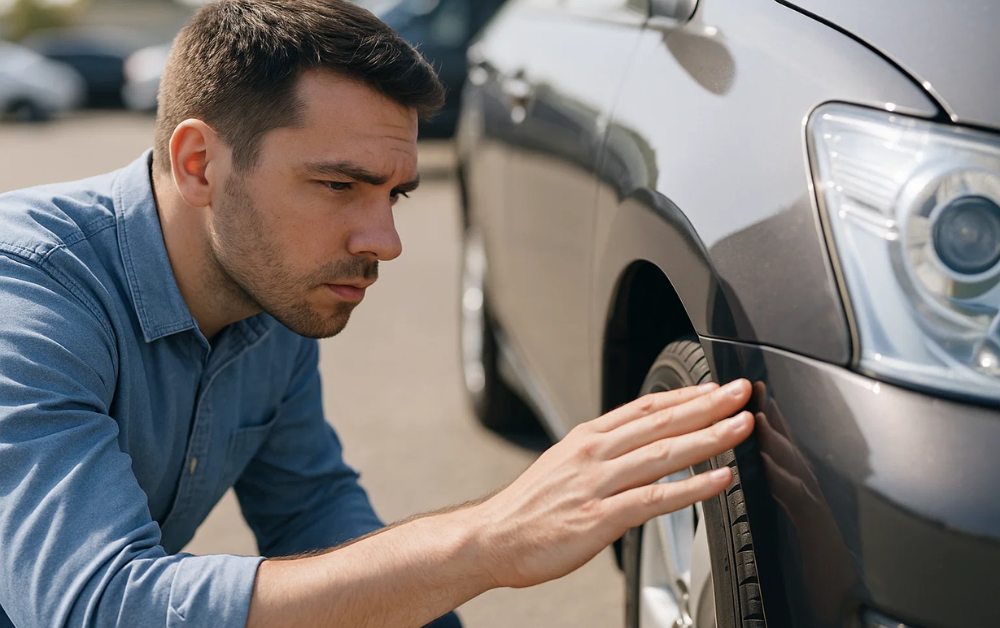
1. Insist on Inspection
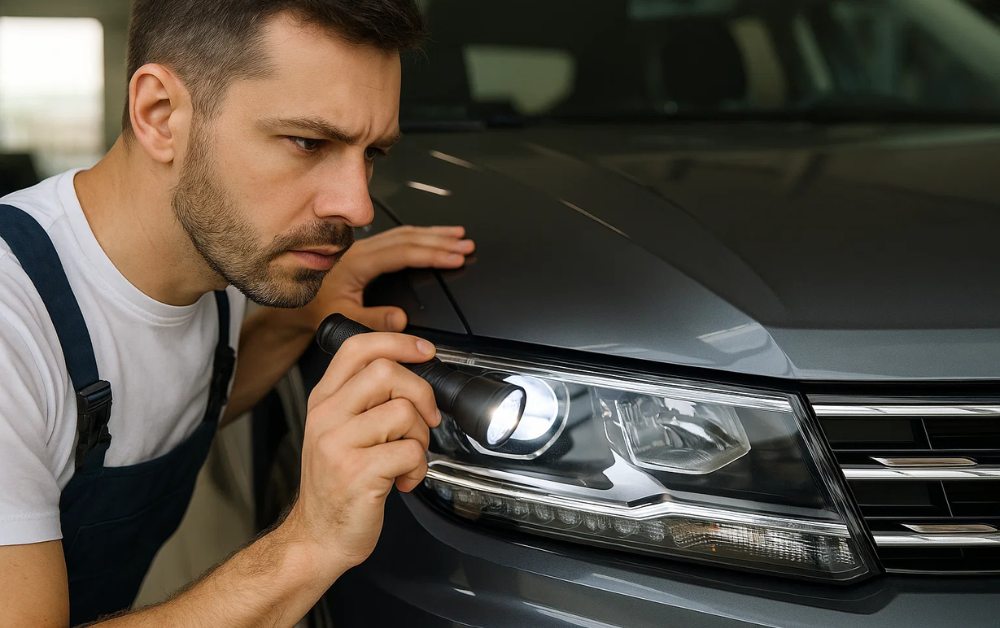
Always see the car for yourself. Where possible, have a reputable mechanic inspect it thoroughly. This can reveal hidden damage or tampering.
2. Inspect the Documents
Ask for original service history, registration card, and insurance documents. Verify the chassis number, engine number, and VIN with the papers.
3. Buy a History Report
Use websites that give you car history reports. In Dubai, this can be ordered through the RTA (Roads and Transport Authority). This helps verify accident history, mileage, and whether the vehicle was stolen.
4. Buy from Authorized Dealers
Purchase, if available, from approved or certified used car dealers. They tend to follow legal protocols and offer a warranty or purchaser protection.
5. Avoid Cash Payments
Always handle traceable payments. Consider it a warning signal if a seller requests cash or huge payments.
6. Confirm the Seller’s Identity
Ask for the seller’s Emirates ID or other identification. Match the name and contact number with the registration of the car.
Used Car Scams in Dubai: A Growing Concern
As mentioned earlier, used car scams in Dubai are increasingly on the rise, fueled by the city’s active car market and the constant mobility of expatriates. Most scams target expats who may not be well-versed with car registration processes in the country or are looking to get an effortless deal while coming in or out of the country.
Dubai authorities have taken steps to tackle fraud, including stricter document screening and compulsory online transaction sites. However, personal due diligence is your ultimate safeguard.
If you are buying a used car in Dubai, inspect the car’s condition, accident history, and outstanding fines by employing the RTA’s official website. Additionally, watch out for temporary “pop-up” garages or car dealerships operating from leased premises for short durations — a scheme becoming increasingly popular with fraudsters.
Final Thoughts
So, are used car scams on the rise? Before buying, you must know that while the used car market is excellent value, it’s not without risks. Scammers grow wiser by the day, and the sole defense is vigilance and caution. If you’re buying your car in your hometown or browsing the crowded motor bazaars of Dubai, do your homework, never rush to buy, and trust your instincts.
If something doesn’t sit right with you — walk away. It is worse to lose a deal than to be a victim of a scam that can take your money, your peace of mind, or worse.
Stay alert, stay cautious, and drive defensively.