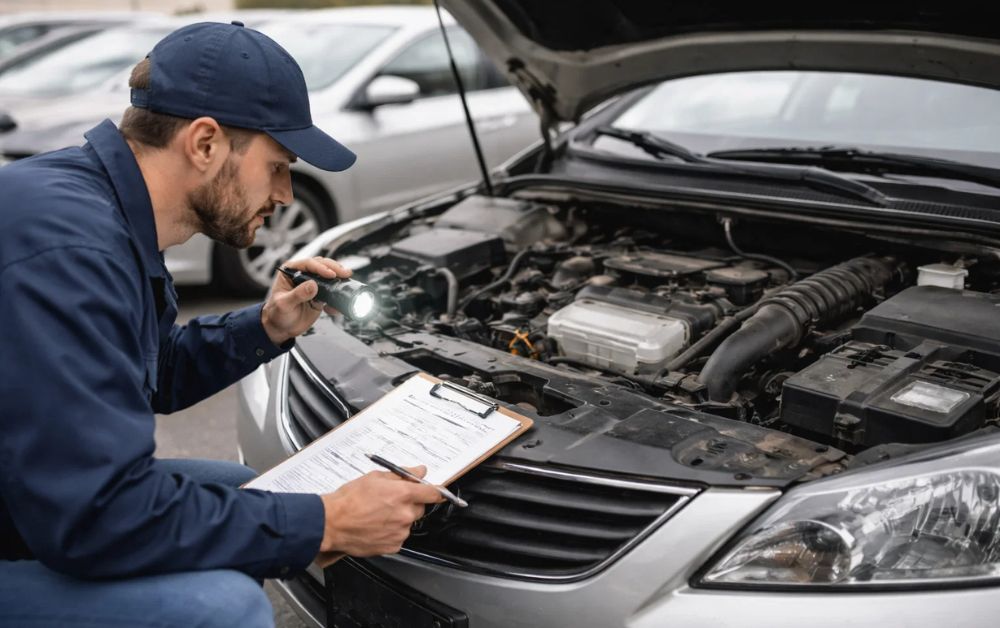
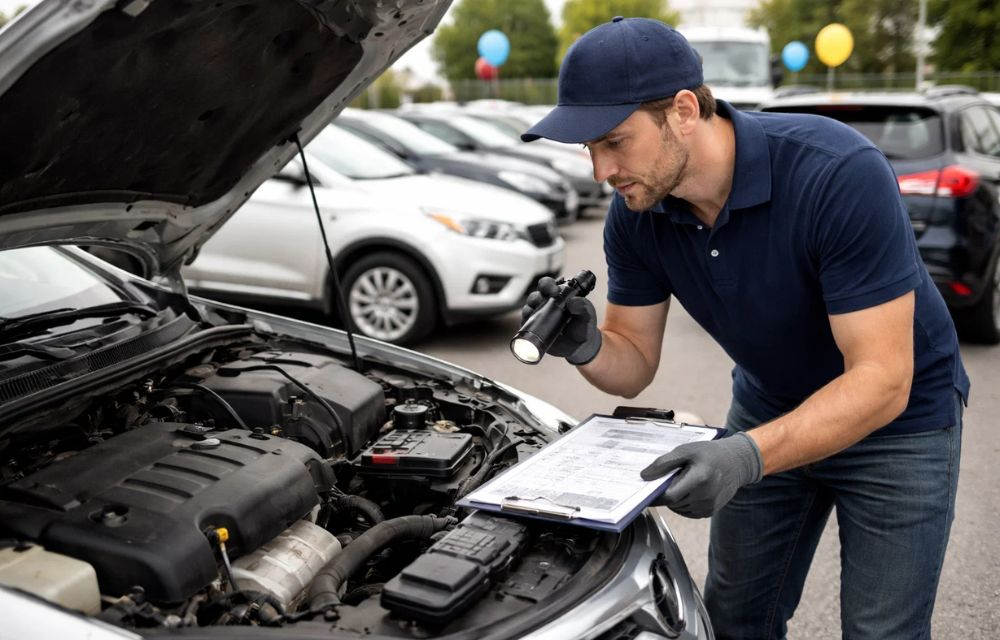
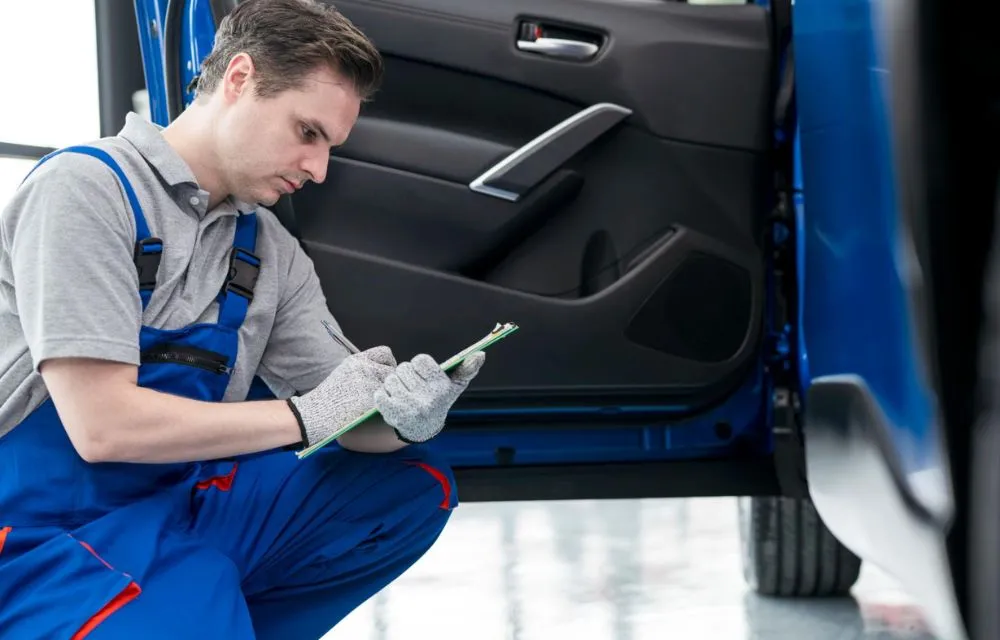
Buying a used car in Dubai can be both thrilling and overwhelming. Whether you’re eyeing a sleek luxury SUV or a compact sedan, it’s important to make sure the car you’re purchasing is in good condition. A good used car inspection Dubai is the key to ensuring you’re not making an expensive mistake. In Dubai, used car inspection services are available to give you peace of mind, ensuring that you’re getting a reliable car. Here is a look at how professionals conduct these inspections, what they check, & why it’s so important to leave it to the experts.
Checking the Car’s Documents
Before diving into the car itself, professionals always start with the paperwork. They check:
- Registration documents: Confirming that the car is properly registered in Dubai & there are no outstanding fines or legal issues.
- Service history: Reviewing the car’s service records to see if it has been properly maintained over the years.
- Accident history: Checking for any accidents the car may have been involved in, which could affect its safety and value.
This step aids rule out any red flags before looking at the car itself.
Inspecting the Exterior
The car’s exterior is what most people notice first, but experts know what to look for to spot potential issues. They check:
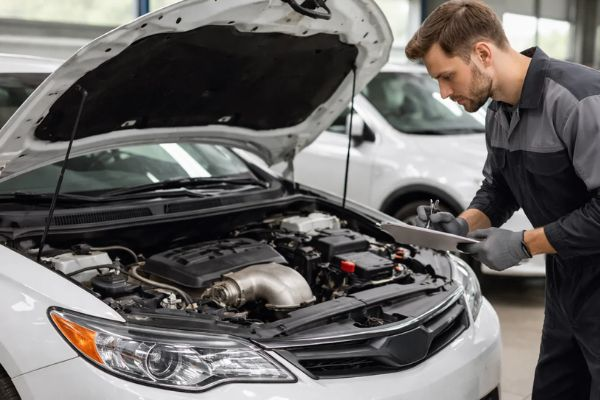
- Body panels & paint: Looking for signs of repainted areas, dents, or scratches that might indicate a previous accident or poor repair work.
- Frame and chassis: Inspecting for any structural damage or signs that the car may have been in a major collision.
- Lights and windows: Checking that all lights and windows are functioning properly and that there are no cracks or damage.
- Tires and rims: Tires are a good indicator of how well the car has been taken care of. Uneven wear can point to suspension or alignment issues.
This ensures that the car’s exterior is not only visually appealing but also free from hidden damage.
Examining the Engine and Mechanical Parts
The engine is the heart of the car, so it gets a lot of attention. Inspectors focus on:
- Engine performance: Checking that the engine runs smoothly without strange noises or irregularities in fuel consumption.
- Fluids: Inspecting oil, coolant, brake fluid, and transmission fluid to make sure everything is at the right levels and free from contamination.
- Belts and hoses: Looking for signs of wear that could lead to problems down the road.
- Exhaust system: Ensuring there are no leaks or rust, and that the emissions system is working as it should.
This part of the inspection helps ensure that the car’s engine will run reliably & that you won’t face costly repairs soon after purchase.
Checking the Interior
A well-maintained interior can tell you a lot about how a car has been treated. Inspectors look at:
- Seats and upholstery: Checking for rips, stains, or signs of heavy wear.
- Dashboard and electronics: Ensuring that all dashboard lights, the infotainment system, air conditioning, and other electronics are in working order.
- Safety features: Testing airbags, seatbelts, and other critical safety features to make sure everything meets local standards.
- Odor: A musty or unusual smell could be a sign of water damage or previous accidents.
This step ensures that the car’s interior is comfortable, safe, & ready for use.
Taking the Car for a Road Test
A road test is essential to see how the car performs in real-world conditions. During this test, the inspector looks at:
- Braking system: Checking for smooth, responsive braking without any unusual noises.
- Steering and handling: Ensuring the car drives straight and that there are no vibrations or issues with the steering.
- Suspension: Testing how the car handles bumps and road conditions, which can reveal issues with the suspension system.
- Transmission: Whether the car is manual or automatic, the gears should shift smoothly.
This test is where issues like steering problems or suspension issues become obvious.
Using Diagnostic Tools
Modern cars are equipped with computer systems that can reveal hidden issues. Inspectors often use diagnostic tools to:
- Read error codes from the car’s computer, which can point out problems with the engine or other systems.
- Check for hidden corrosion or weaknesses in the structure that might not be visible to the naked eye.
- Assess the battery and electrical systems to make sure they’re in good condition.
These tools provide a deeper level of analysis to catch anything that might not show up in a visual inspection.
Also Read –Are Mobile Pre Purchase Car Inspections the Smarter Choice in Today’s Car Market?
Preparing the Inspection Report
After completing all the checks, the inspector prepares a detailed report. The report includes:
- Photos of any damage or issues discovered during the inspection.
- An assessment of key components like the engine, transmission, brakes, & tires.
- A safety and performance evaluation based on their findings.
- Recommendations for repairs or maintenance, if needed.
This report gives you a full understanding of the car’s condition, helping you make an informed decision.
In Conclusion
A professional used car inspection is a thorough process that covers everything from documents to road tests, using advanced tools to uncover any potential issues. This ensures that the car you’re buying is safe, reliable, and worth the investment. If you want to avoid surprises & make a smart purchase, CheckAnyCar offers expert inspections and detailed reports, making your used car buying experience smooth and worry-free.

CheckAnyCar offers expert used car inspections in Dubai, helping you make informed buying decisions with detailed reports. For inquiries or to schedule an inspection, visit our About Us and Contact Us pages.