Regular maintenance and checkups can make the difference between smooth sailing and shocking breakdowns in car ownership. A good car inspection is among the least valued but essential maintenance routines. While it may seem straightforward or insignificant, correct car inspection will identify problems before they become costly repairs. In this blog, we will go in-depth on how car inspection can save money and help your vehicle run safely and efficiently in the long run.
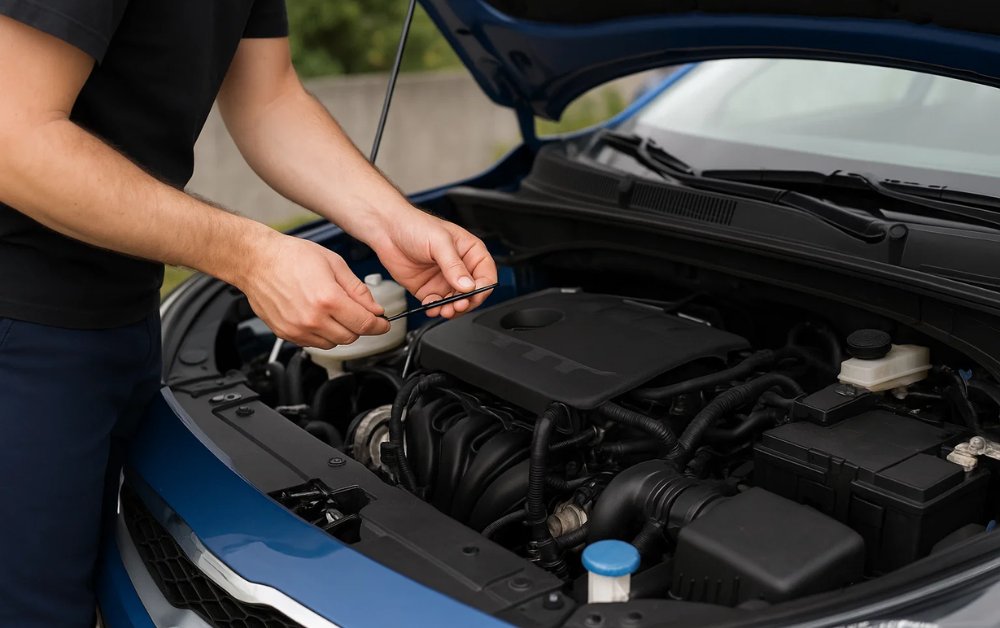
Understanding the Importance of Vehicle Inspection
Inspections thoroughly examine a car’s electrical and mechanical components, safety features, emissions, and general condition. Imagine it as a checkup — just as early detection prevents costly illnesses in people, early diagnosis of car faults prevents expensive repair work. Regular checks offer insights into faulty parts on the verge of breakdown or requiring cleaning or replacement.
Most importantly, a routine checkup for a car ensures your car is within the safety and environmental guidelines, especially where it is the law.
Early Detection of Mechanical Issues
One of the best things about a vehicle inspection is the pre-detection of mechanical problems. Over time, components like the engine, transmission, brakes, and suspension will fail. Most of these items don’t break down overnight — there are warning signs along the way that, if you catch them, will save you thousands of dollars. For example:
- Brake Pads and Rotors: Waiting until the brakes have completely worn out can damage the rotors, leading to an even more expensive repair.
- Transmission Fluid Leaks: Detecting a small fluid leak during inspection can prevent expensive transmission failure.
- Engine Problems: Detecting unusual engine noises, vibrations, or coolant leaks early in the game can stop expensive engine rebuilds or replacements.
A vehicle inspection assists mechanics in identifying these indicators beforehand, allowing you to undertake minor repairs ahead of time.
Stretching Out the Life of Your Vehicle
Preventative maintenance is always cheaper than emergency repairs. By scheduling regular inspections, you’re investing in the longevity of your vehicle. Every part of your car is interconnected — if one component fails, it could place additional stress on others, leading to a chain reaction of damage.
For instance, a failed timing belt might ruin your engine pistons and valves, which could mean expensive repairs. But had it been caught early in a routine inspection; a mere few thousand dollars would have gotten the job done for a new belt replacement.
A preventive inspection for cars is not so much about fixing the present problems — it’s about preventing the pending ones.
Increasing Fuel Efficiency and Performance
Another in-disguise benefit of regular car inspections is increased fuel efficiency. Dull spark plugs, dirty air filters, under-inflated tires, or faulty oxygen sensors can make your engine work harder, burning more gas.
A car inspection checks all these settings and ensures your vehicle operates at peak levels. Running at peak fuel efficiency isn’t only kind to the environment; it also saves you money at the pump — another signal of how a car inspection is an economically smart move.
Saving You from Roadside Emergencies
Nobody wants to be stranded by the roadside with a broken-down car. Whether commuting to work, picking up the kids, or off on a Saturday drive, a breakdown will bring your day to a halt and mean expensive emergency repairs. Towage, overnight hotel bills, or rush garage repairs can quickly mount.
Routine inspections significantly reduce the risk of such emergencies. Mechanics will check your battery, alternator, belts, hoses, cooling systems, and tires to ensure everything works. Even if an issue is minor, catching it early during an inspection of a vehicle can prevent major hassles later.
Preserving Vehicle Resale Value
Keeping your vehicle well-maintained is extremely important if you ever plan on selling it. Individuals seeking to purchase vehicles will happily pay top prices for one that has been kept well-maintained with a record of inspections to support it.
A service record, in the form of frequent inspections, means that the car was properly cared for and will be less likely to harbor any hidden issues. It’s a cheap investment with a great return when selling.
Compliance with Legal and Insurance Requirements
Vehicle inspections are required in certain areas to ascertain safety and environmental standards. Disobedience can attract penalties or render your vehicle unfit for the road. Moreover, in case of an accident, your insurance company may request records of recent inspections.
A failed vehicle inspection can disqualify your claim, and you will pay out of pocket to fix or repair it. Being up to date with inspections protects you both legally and financially.
Peace of Mind
Finally, regular car checks are reassuring. Knowing your car has been checked out by professionals and is ready for the road gives you peace of mind to sit back and enjoy the journey and not worry about what will break next. Whether it’s your daily commute or a lengthy drive, faith in the health of your vehicle is priceless.
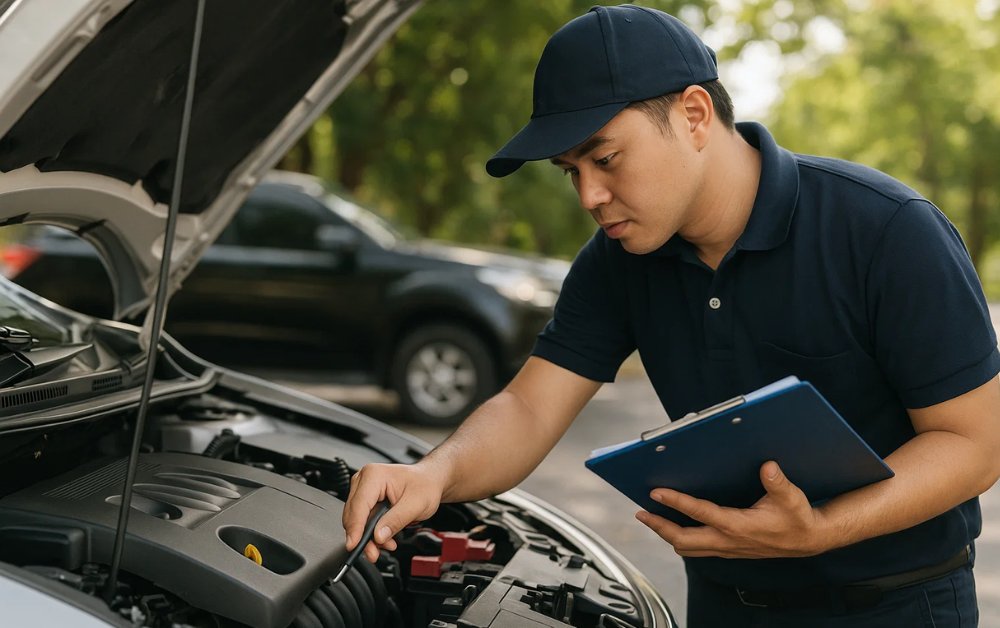
Conclusion
An auto inspection isn’t a checkup — it’s a precaution that saves your wallet, safety, and time. A routine inspection for vehicle is worth the cost because it’s much less money than you could be shelling out if a hidden problem turns into an expensive repair.
The advantages are clear, from identifying mechanical issues and maximizing fuel efficiency to avoiding breakdowns on the side of the road and ensuring resale value. So, the next time you feel like skipping that checkup, consider it an investment that will pay off by getting you on the road and your repair costs under control.