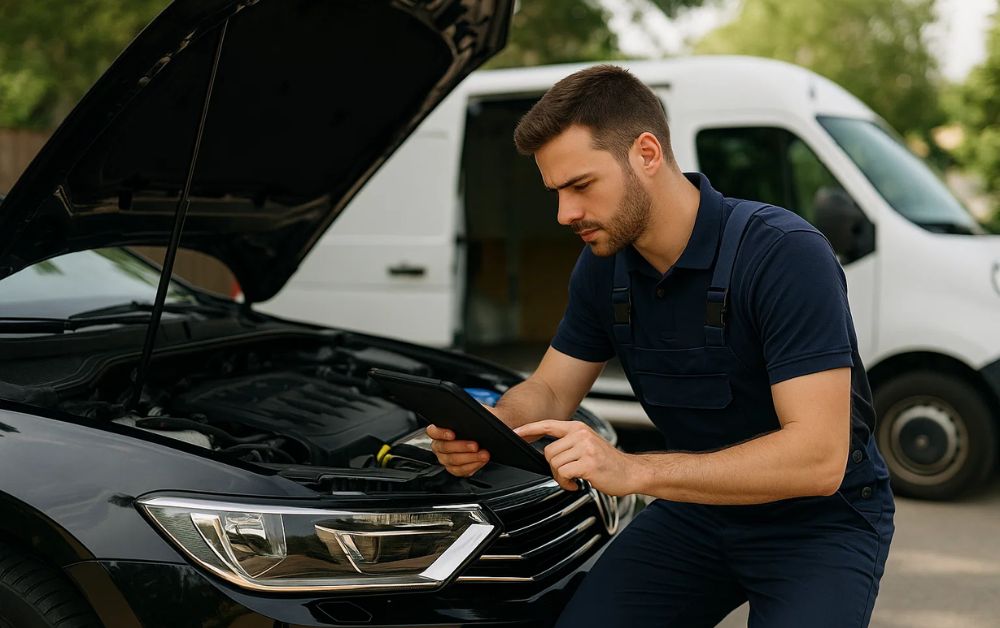
Purchasing a car, whether brand new or second-hand, is a significant investment. For some, it’s not merely about getting around—it’s also about safety, performance, and getting value for money. With the used car business booming, particularly in metropolitan areas, an increasing number of people are opting to buy second-hand cars rather than brand-new ones. Yet, this move has its advantages and disadvantages. Is the vehicle mechanically fit? Has it been involved in an accident? Are there any underlying problems? It is here that mobile car inspection service providers come in, providing spot tests that help car purchasers make informed decisions.
What Is a Mobile Car Inspection Service?
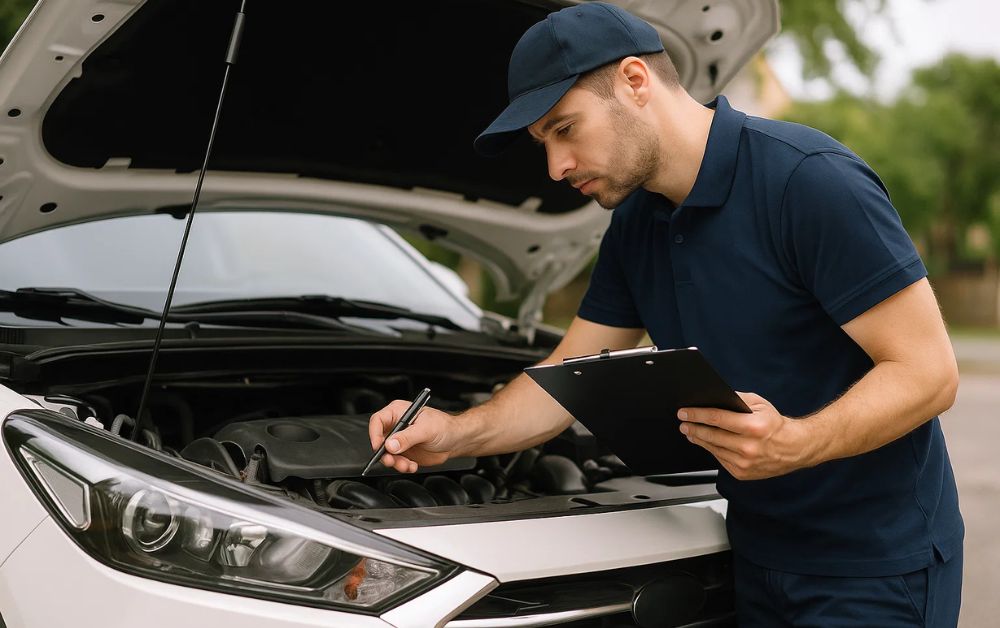
A mobile car inspection business is a hassle-free alternative that brings trained automotive technicians to a car at its location—whether it’s a dealership, a private seller’s home, or a parking lot. These experts perform a comprehensive examination of the automobile’s mechanical, electrical, and structural elements. The best part? Buyers don’t have to drive the car anywhere or even move it to a garage; the inspection reaches them.
This method not only saves time but also guarantees that the inspection is conducted without interference and tampering from sellers. It’s objective, independent, and complete.
Why Car Buyers Need Mobile Car Inspections
1. Finding Hidden Issues
One of the most significant threats when purchasing a used vehicle is the possibility of hidden issues that can’t be detected during a test drive. A professional mechanic with a mobile car inspection service will look under the hood, underneath the vehicle, and scan with diagnostic equipment to determine if there are issues like:
- Engine issues
- Transmission wear and tear
- Wear and tear on the brakes.
- Damage to the frame
- Electric problems
- Fluid leaks
Absent such an inspection, buyers can end up paying for expensive repairs shortly after a purchase.
2. Vehicle Safety Assurance
A vehicle that appears perfect on the surface may be hazardous to drive. Safety equipment, such as airbags, seatbelts, suspension, and tires, must be in perfect working condition. A mobile car inspection business guarantees all safety systems are adequately tested, so the purchaser isn’t unknowingly endangering themselves or their loved ones.
3. Verifying the Car’s Value
One of the best features of a mobile inspection is the ability to verify whether the asking price accurately reflects the car’s actual condition. If the vehicle has underlying problems, customers can use the information to negotiate a lower price or walk away from a poor deal.
How the Mobile Car Inspection Process Works
This is how the process typically goes:
- Service Booking: Car purchasers book a car inspection service by phone or online.
- Technician Dispatching: A trained technician visits the car.
- Thorough Inspection: The technician conducts a detailed inspection of over 150 parts, such as the engine, transmission, brakes, AC, lights, suspension, and body.
- Report Generation: Following the inspection, a comprehensive report is given. This can include photos, observations, diagnostic scan results, and an overview of the car’s condition.
- Buyer’s Decision: According to the report, the buyer can make an informed and educated decision.
Advantages of Using Mobile Car Inspection Services
1. Convenience
The most significant benefit is convenience. No driving all over town or missing work. A mobile car inspection service accommodates your schedule, saving you time and effort.
2. Expert Analysis
Most companies employ certified mechanics who have years of experience. These individuals know what to examine and won’t be misled by a newly painted engine or a scrubbed engine bay.
3. Objectivity
Since the inspector is not biased towards the seller, his report is objective and impartial. The buyers can trust the findings without doubt.
4. Peace of Mind
Purchasing a used vehicle can be a daunting task. With a detailed inspection, buyers are more confident in their purchase. It alleviates anxiety and uncertainty, making the whole experience pleasant.
How Mobile Car Inspections Empower First-Time Buyers
First-time car buyers are especially at risk. They may lack the technical expertise to evaluate a car, and vendors can occasionally take advantage of this. A mobile vehicle inspection business serves as a buffer, delivering professional information to the buyer and guarding against possible deception.
For instance, odometer tampering, flood damage, or previous collision history may not be apparent to a beginner. But professional inspectors are trained to recognize evidence of these problems. Based on this expert advice, first-time buyers can proceed with confidence or withdraw before it is too late.
Selecting the Proper Mobile Car Inspection Service
To achieve peak performance from a mobile car inspection service, auto buyers should:
- Check the credentials and experience of the service provider.
- Look for reviews or testimonials.
- Ensure the report includes photos and diagnostic results.
- Verify that the service includes inspection of key components (such as the engine, brakes, and electronics).
- Make sure the provider covers the location where the car is being sold.
Investing a few hundred dirhams or rupees in a quality inspection can save thousands in the long run.
Conclusion
These days, solutions on the move are transforming how we shop, communicate, and even purchase vehicles. Mobile car inspections are not merely a nicety—by far, they’re an intelligent and essential move in enhancing the car-purchase experience. It makes things transparent, fosters trust, and assures that you get what you pay for.
As the market for used cars grows, so does the demand for trustworthy verification and professional opinions. With mobile car inspections, consumers no longer have to rely on their intuition or guesswork. They can now obtain professional evaluations at their fingertips, and the fantasy of owning a trustworthy, well-cared-for vehicle becomes a reality, surprise-free down the line.
In short, mobile car inspections are not just about assisting consumers in making choices—they’re about helping them make informed, good ones.