Buying a used car can be a smart way to stretch your budget and get the vehicle you’ve always wanted. However, it also comes with risks. Even the cleanest-looking car can hide mechanical problems or accident history that could cost you thousands in repairs later. This is why a used car inspection Dubai is so critical. While hiring professionals is always the safest option, you can also perform a DIY inspection to catch many common issues yourself. Here’s a step-by-step guide to help you inspect a used car before you commit to the purchase.

1. Start with a Visual Walk-Around
Before getting into technical checks, begin with a thorough visual inspection.
- Bodywork: Walk around the car and look for dents, scratches, or mismatched paint panels, which can indicate past accidents or bodywork repairs.
- Glass and Lights: Check the windshield and windows for cracks or chips. Turn on all the lights and indicators to ensure they work properly.
- Tires: Examine the tread depth and look for uneven wear. Uneven tread could point to alignment or suspension issues.
This first glance can give you clues about how well the car has been maintained.
2. Inspect Under the Hood
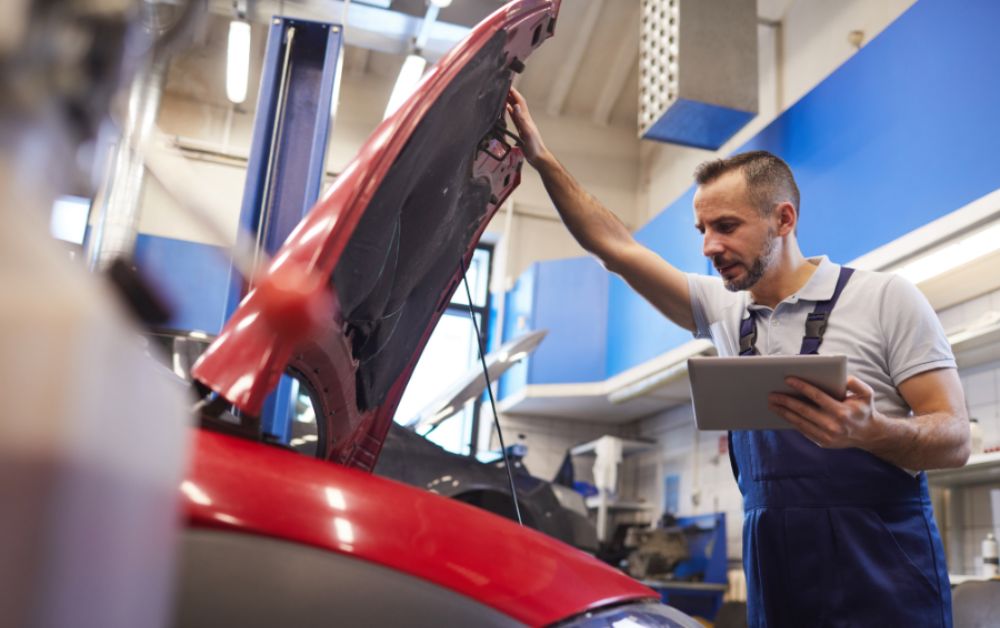
A used car inspection Dubai should always include checking the engine bay. Even if you’re not a mechanic, you can look for obvious red flags.
- Fluids: Check engine oil, brake fluid, and coolant levels. Dirty oil or low fluids can signal neglect.
- Leaks: Look underneath for oil or coolant leaks.
- Belts and Hoses: Squeeze hoses to see if they feel brittle or cracked and inspect belts for fraying.
If you notice excessive corrosion or fluid leaks, these could mean expensive repairs.
3. Look Under the Car
While it’s not always easy to see under a vehicle without a lift, you can still peek underneath with a flashlight.
- Rust: Surface rust is common, but structural rust on the frame or suspension components is a serious concern.
- Exhaust System: Make sure it’s securely mounted and doesn’t have holes or rust patches.
- Suspension: Push down on each corner of the car. If it bounces more than once, the shocks could be worn out.
4. Examine the Interior
You’ll spend most of your time inside the car, so don’t skip this part of the inspection.
- Seats and Upholstery: Check for rips, stains, or odors.
- Electronics: Turn on the ignition and test the radio, air conditioning, windows, and all dashboard controls.
- Odometer Reading: Compare the mileage to the age of the vehicle. If it seems suspiciously low, there’s a chance it was tampered with.
5. Check for Warning Lights
When you start the engine, pay attention to any warning lights that stay illuminated on the dashboard. Warning lights for airbags, ABS, or the check engine light can indicate serious issues that require professional diagnostics.
6. Take It for a Test Drive
This is the most important part of any used car inspection Dubai.
- Engine Performance: Listen for knocking sounds, hesitations, or excessive exhaust smoke.
- Transmission: Make sure gear shifts are smooth and without delay.
- Brakes: Test braking at different speeds and check if the car pulls to one side.
- Steering and Handling: Make sure there’s no excessive play in the steering wheel and that the car tracks straight.
A test drive helps you feel how the car really behaves on the road.
7. Review the Vehicle History
Ask the seller for the service history, previous ownership records, and accident reports. A clean history can boost your confidence, but missing or incomplete paperwork is often a red flag.
If possible, use an online service to verify the Vehicle Identification Number (VIN) for any hidden past issues.
8. Don’t Forget the Spare
Check the spare tire, jack, and tools. Having a usable spare is essential and can also be an indicator of how carefully the owner maintained the vehicle.
9. Trust Your Instincts
Finally, don’t ignore your gut feeling. If the seller seems evasive or pressures you to rush the sale, consider walking away. You’re spending your hard-earned money, so there’s no need to compromise if something feels off.

Conclusion: Professional Help Still Matters
Performing your own inspection is an excellent way to save money and become a more informed buyer. However, it’s important to understand that even the most thorough DIY inspection can’t replace professional diagnostics. Complex issues like electronic faults, hidden frame damage, or engine problems often require specialized tools and experience.
When you want total peace of mind during a used car inspection Dubai, it’s wise to turn to experts. CheckAnyCar is trusted across Dubai for their comprehensive pre-purchase inspection services. Their certified inspectors use advanced equipment to evaluate every aspect of the car and provide a detailed report, so you can make your purchase confidently. Before you seal the deal, let CheckAnyCar give you the clarity you deserve.